



Occupied Space Renovations
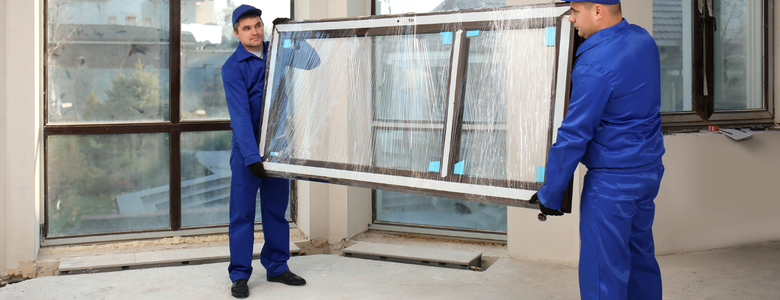
Replacing windows and doors without clearing a building is one of the toughest chores in commercial construction. Since 1994, AAWD Inc. has been renovating occupied spaces, working directly with residents who remain in their units during the project. AAWD is chosen by property managers, housing authorities and boards throughout New Jersey, New York, Connecticut and Pennsylvania because our in-house crews schedule each step of the restoration around tenants’ schedules and building operations.
Why AAWDINC for Occupied Space Renovations?
AAWD Inc. has been doing occupied space renovations since 1994 and brings over 25 years of tenant-in-place knowledge to property managers that other contractors lack. Our in-house installation staff, never rotating subcontractors, have completed hundreds of multifamily and government housing projects in NJ, NY, CT, and PA. We are a Qualified Government Housing Contractor that meets the background-check and documentation criteria required on HUD & HMFA projects. Each refurbishment includes a resident-communication plan, clear scheduling and full support from product selection to the final walkthrough.
What is Occupied Space Renovations?
Occupied space renovation refers to the replacement of windows, doors or exterior building components while tenants remain in their units during construction. It requires phased scheduling, advance resident notice, temporary weatherproofing between installation stages and daily cleanup, so residents can continue to access their homes normally, unlike a vacant-building retrofit. When a full building vacancy isn’t an option, property managers look at occupied space repair, most typically in apartment communities, senior housing and affordable housing completing a capital improvement program.
Customer service and satisfaction of the property staff and residents is our #1 priority. Today, more than ever, people appreciate windows for the comfort, security, and energy efficiency they provide. And when a building is occupied during a renovation, extraordinary attention is required to look after residents and property manager’s concerns. For more than 25 years we have earned our reputation by delivering exceptional care and service on Occupied Space Renovations.
| Occupied Space Renovation | Vacant Building Renovation | |
| Residents | Stay in their units throughout | Must relocate before work starts |
| Schedule | Phased, unit by unit | Entire building at once |
| Access | Daily weatherproofing between stages | No daily access restoration needed |
| Best for | Apartments, senior & government housing | New construction, full gut renovations |
Advantages of Occupied Space Renovations
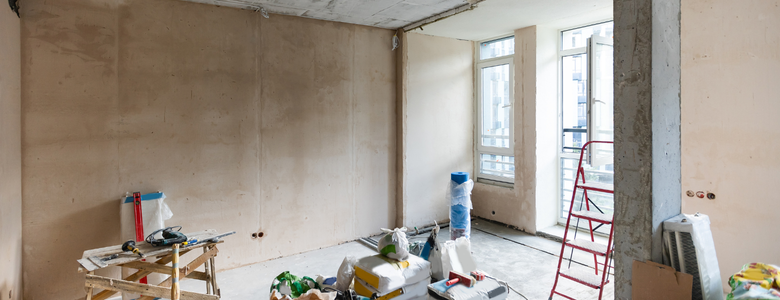
In-place renovation protects residents and preserves building income:
• No rent loss from abandoning inhabited units during construction
• Residents remain in their houses and continue their routines during the renovation
• Complies with HUD/HMFA standards for capital improvement projects in inhabited buildings
• Typically faster overall than phased move-out renovation plans
• Supports long-term tenant relationships and existing leases
• Reduces moving, temporary housing, and storage costs of ownership
Our Occupied Space Renovations Process
AAWD oversees each occupied space refurbishment through six coordinated steps to disrupt inhabitants as little as possible:
1. Consultation — review building specs, unit count and code requirements
2. Inspection – walk all units and exterior elevations prior to work commencing
3. Planning – create a tiered program based on occupancy and access requirements
4. Resident Notification – written notification and installation windows by unit
5. Implementation – installing daily and weatherproofing the same day, unit by unit
6. Quality check – final inspection and resident sign off before staff move on
Why Customers Trust AAWD
AAWD has been completing occupied space renovations since 1994, completing hundreds of projects for multifamily, government and institutional owners throughout the tri-state area. Our team is a Qualified Government Housing Contractor with demonstrated project experience with HUD/HMFA. AAWD’s in-house personnel have demonstrated they can produce in occupied, historic and high-security circumstances, from adaptive-reuse projects such as a 9-story Manhattan conversion of 727 unique fiberglass panels to guarded government sites such as Picatinny Arsenal.