



Window Sill Replacement for Commercial & Multifamily Buildings in NJ: Comprehensive Guide
Window Sill Replacement for Commercial & Multifamily Buildings in NJ | AAWD Inc.
Even though window sills look like a minor element of a building structure, they play a crucial role in preventing the building from moisture, water damage, and deterioration. For the owners of commercial properties and multifamily buildings, the problem of damaged window sills can become quite problematic.
Over time, due to exposure to rain, snow, temperature changes, and wear and tear, window sills can become cracked, rotten, corroded, or unable to drain water properly.
Professional Window Sill Replacement for Commercial & Multifamily Buildings in NJ can help property owners deal with deteriorated components and improve water management.
Knowing when to repair or replace window sills can help prevent expensive building envelope issues.
In this guide, you’ll learn about the warning signs, materials, process of replacement, costs, and other aspects of window sill replacement in New Jersey for commercial and multifamily buildings.
What Is Window Sill Replacement for Commercial & Multifamily Buildings in NJ?
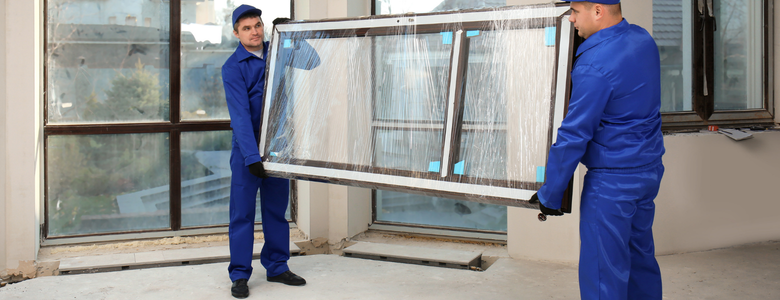
Window Sill Replacement for Commercial & Multifamily Buildings in NJ is the process of removing the damaged or deteriorated window sill components and installing new ones to ensure proper water drainage, protection from weather conditions, and compatibility with the window system.
A window sill is a horizontal element that is located below the window opening. Exterior window sills are designed to direct rainwater away from the window and wall assembly.
Depending on the building construction, the window sill components can be made of aluminum, stone, precast concrete, wood, or composite materials.
Well-designed window sill systems can help:
- To direct rainwater away from the exterior walls
- To prevent moisture intrusion around window openings
- To protect surrounding masonry and framing
- To support the window installation, if it was designed to do so
- To preserve the building’s architectural appearance
- To cooperate with flashing and drainage elements
Window sills should be replaced together with the underlying conditions that affect the surrounding building envelope.
Why Window Sill Replacement Is Important for NJ Commercial Buildings
Commercial and multifamily buildings in New Jersey face changing weather conditions throughout the year. Heavy rains, freezing temperatures, snow, and repeated freeze-thaw cycles can gradually damage the exposed building materials.
When water gets inside the cracks and freezes, it can expand the damage. Repeated exposure to such conditions can damage the window sill materials and the surrounding masonry.
- Prevents Water Intrusion
Damaged or improperly sloped window sills can result in water collection near the window opening.Moisture can get into gaps, joints, or deteriorated flashing systems.
- Protects Building Materials
Water infiltration can damage the insulation, drywall, masonry, framing, and interior finishes. Timely repairs can help to prevent minor defects from becoming larger restoration projects.
- Improves Building Appearance
Cracked, stained, or corroded window sills can make commercial buildings look poorly maintained.Replacing deteriorated components can help to restore the building appearance.
- Supports Long-Term Building Maintenance
Combining sill replacement with window upgrades or facade restoration can help to minimize the need for repeated access and construction.
7 Warning Signs You Need Window Sill Replacement in NJ
Recognizing the deterioration early can help to prevent recurring water damage and unnecessary repair costs.
1. Visible Cracks in Window Sills
Small surface cracks can be fixed. But deep cracks that go through the material can damage its durability and moisture-resistance. Stone and concrete window sills are especially prone to cracking due to moisture and freeze-thaw exposure.
2. Rotting or Deteriorating Materials
Wooden window sills can rot when exposed to prolonged moisture. Soft surface, peeling coatings, and crumbly material may indicate that replacement is needed.
3. Water Stains Below Windows
Water stains on the interior walls or exterior masonry can indicate moisture infiltration around window openings. These signs need to be investigated since leaks can originate from the sill, flashing, frame, or adjacent facade elements.
4. Incorrect Window Sill Slope
The exterior window sills should direct water away from the building.If a sill slopes inward or allows water to collect near the window frame, moisture intrusion is more likely to happen.
5. Corroded Metal Window Sills
Metal window sill components can get corroded at fasteners, joints, or damaged finishes. Loose connections and corroded metal covers may need replacement.
6. Repeated Window Leaks
Recurring leaks after sealant repairs may indicate underlying flashing problems or deterioration beneath the sill. Adding more caulk without investigating the issue can provide only temporary relief.
7. Moisture Damage Inside Apartments or Offices
Peeling paint, swollen trim, musty odors, or wet drywall near windows can indicate moisture intrusion. Property managers need to arrange an appropriate inspection before the problem becomes worse.
Window Sill Repair vs. Replacement: Which Is Better?
Not all damaged window sills need complete replacement.
Condition
Usually repairable
Usually needs replacement
Sealant
Cracked or shrunken caulk at joints
Sealant failing repeatedly in the same place
Surface
Hairline surface cracks, no movement
Cracks through the full thickness; piece is loose
Slope
Slope intact, minor ponding
Reverse slope toward the building
Material
Surface finish worn, substrate sound
Rot, delamination, or section loss
Water entry
No interior evidence of leakage
Interior staining, damp, or repeat leaks
Flashing/pan
Verified intact
Missing, damaged, or never installed
A professional building envelope assessment can help to determine whether a localized repair will be sufficient.
For the larger multifamily buildings, the inspection of representative windows can show whether the deterioration is isolated or repeated in multiple units.
Best Materials for Commercial and Multifamily Window Sill Replacement
Choosing the right material is an important part of Window Sill Replacement for Commercial & Multifamily Buildings in NJ.
Various materials have their own pros and cons regarding durability, appearance, maintenance, and compatibility with existing window systems.
- Aluminum Window Sills
Aluminum window sills and exterior sill covers are widely used in commercial window replacement projects. They are lightweight, durable, and compatible with many aluminum window systems. Pros include moisture-resistance, relatively low maintenance, and various finishes. However, the proper design should consider thermal expansion, fastening conditions, and joint sealing.
- Stone and Precast Window Sills
Stone, cast stone, and precast concrete sills are commonly used on older masonry buildings. They provide a traditional architectural appearance and can serve for a long time if properly designed and maintained. The potential drawbacks include cracking, spalling, deteriorated joints, and the weight of the replacement material.
- Wooden Window Sills
Wood window sills are common in some historic buildings and traditional architectural designs. They can be repaired and refinished, but need to be protected from the exposure to prolonged moisture. Wood rot and coating deterioration are the common reasons for replacement.
- PVC and Composite Window Sills
PVC and composite materials are moisture-resistant and require less maintenance than wood. Their suitability depends on thermal movement, structural requirements, appearance, and compatibility with the existing facade.
- Fiberglass Window Sills
Fiberglass components provide moisture-resistance and durability. But the availability of profiles, cost, and compatibility should be considered before specifying.
The best material depends on the architectural design of the building, existing window system, and maintenance requirements.
Step-by-Step Window Sill Replacement Process
Professional window sill replacement requires more than removal of the visible damaged material.
Complete replacement should take into account drainage, flashing, structural conditions, and surrounding finishes.
Step 1: Window Sill Inspection
The contractor evaluates existing sill conditions, visible damage, drainage slope, and presence of moisture infiltration. The measurements are done to determine the proper replacement dimensions.
Step 2: Protect Interior Areas
For the occupied commercial and multifamily buildings, the furniture, flooring, and other finishes should be protected before the work starts.
Step 3: Remove Damaged Window Sills
Existing sill components are carefully removed with minimal damage to the surrounding masonry, window frames, and interior finishes.
Step 4: Inspect the Underlying Structure
After removing the sill, the contractor checks the rough opening, flashing, framing, and other materials. Any moisture damage or deterioration needs to be fixed before replacement.
Step 5: Repair or Install Flashing
If required by the window and wall system, the sill pan flashing needs to be either repaired or installed to direct incidental water outside. The proper drainage details are crucial for the long-term performance.
Step 6: Install the New Window Sill
The replacement sill is positioned, supported, and fixed according to the approved design. The exterior drainage slope and compatible connections are checked.
Step 7: Seal Joints and Connections
The appropriate sealants and joint materials are installed while maintaining the drainage paths.
Step 8: Final Inspection and Cleanup
The finished installation is checked for alignment, visible defects, and compatibility with the surrounding window system. The work areas are cleaned and prepared for use.
Window Sill Replacement for Occupied Multifamily Buildings in NJ
Window sill replacement in occupied apartment buildings requires careful planning.
Unlike the vacant construction projects, multifamily renovations have to take into account residents, building access, daily operations, and privacy.
- Advance Resident Communication
The property managers need to inform residents about the planned work. The notices may explain the expected work period, access requirements, and preparation instructions.
- Unit-by-Unit Scheduling
Completing the work in planned sections can help to minimize disruptions and give the residents time to prepare for contractor access.
- Protection of Interior Finishes
The furniture, flooring, and surrounding surfaces should be protected during removal and installation.
- Weather-Based Scheduling
The exposure of window openings to severe weather can increase the risk of water intrusion. The contractors should plan the installation schedule in accordance with appropriate weather conditions and temporary protection measures.
- Daily Cleanup
Multifamily renovation projects should include daily cleanup and protection of unfinished openings.
The experienced commercial window contractors know how to coordinate construction activities with property management team.
Should You Replace Window Sills During Commercial Window Replacement?
When a building is already going through window replacement, evaluating the existing sills is a practical step. The older window systems can have deteriorated flashing, damaged sill components, or outdated drainage details. There are several benefits of coordinating window and sill replacement.
- Improved drainage coordination: The window, sill, and flashing can be designed as a compatible system.
- Reduced repeated construction: Completing the related work in one project can help to save on additional access and mobilization costs.
- Consistent appearance: The new sills can be selected to match replacement window frames and exterior finishes.
- Better inspection opportunities: Removal of existing windows gives access to concealed conditions that can remain hidden otherwise.
But not every sound sill requires replacement. It depends on its condition and compatibility with the new window system.
How Much Does Window Sill Replacement Cost in NJ?
The cost of Window Sill Replacement for Commercial & Multifamily Buildings in NJ depends on the project size, materials, accessibility, and existing building conditions.
The small commercial property with easy access to windows will require a different set of conditions than a high-rise apartment building with many window openings.
Factors Affecting Window Sill Replacement Costs
- Cost Factor Impact on the Project
Number of windows Larger projects require more materials and labor. Sill material Aluminum, stone, wood, and custom materials have different prices
- Building height: The elevated work may require special access equipment
- Existing damage: The hidden moisture damage may require additional repairs
- Custom profiles: The matching of historic details may require special fabrication
- Occupied building conditions: The resident coordination and access planning affect the scheduling
- Combined window replacement: The coordinated work may reduce repeated mobilization
- Project documentation: The government-assisted projects require additional reporting
To get the accurate pricing, building owners need to request a detailed assessment and project-specific estimate.
Common Window Sill Replacement Mistakes to Avoid
- Applying Caulk Without Investigating Leaks
The sealant repairs may not fix the damaged flashing, improper drainage, or hidden deterioration.
- Replacing Only the Visible Sill
The new sill won’t solve the moisture problems if the underlying drainage system remains defective.
- Ignoring Exterior Slope
The incorrect sill slope can allow the water to collect near the window opening.
- Choosing Incompatible Materials
Replacement components should be compatible with the existing window frame, masonry, flashing, and sealants.
- Delaying Repairs Until Interior Damage Appears
By the time when the water stains or damaged drywall appear, the moisture may affect the concealed building materials.
- Selecting Contractors Based Only on Price
For the large commercial and multifamily projects, the workmanship, materials, access planning, and experience are important factors.
- Choosing a Window Sill Replacement Contractor in New Jersey
The commercial and multifamily window sill projects usually require special expertise in building envelope systems.
When selecting a contractor, consider the following:
- Experience in commercial and multifamily windows
- Understanding of water management and flashing systems
- Ability to work in occupied buildings
- Experience in high-rise access requirements
- Proper insurance and project qualifications
- Knowledge of historic restoration (when applicable)
- Proper scheduling and resident communication
- Detailed estimates and project scope
Commercial and Multifamily Window Services from AAWD Inc.
AAWD Inc. works on commercial, multifamily, government-assisted housing, and historic building projects in New Jersey, New York, and Connecticut.
Its project experience includes large-scale window replacement and exterior sill cover installations.
For instance, the Zion Towers project in Newark included replacement windows and exterior aluminum sill covers as part of the multifamily building improvement.
Projects of this scale illustrate why advance planning, consistent installation details, and coordination with the building management are important.
Frequently Asked Questions About Window Sill Replacement
When should window sills be replaced in commercial buildings?
Window sills may need to be replaced when they have severe cracks, rot, corrosion, incorrect drainage slopes, or recurring water intrusion. A professional inspection can help to determine whether repair or replacement is needed.
Can damaged window sills be repaired instead of replaced?
Some cracks, worn finishes, and failed sealant joints can be repaired. Extensive deterioration, structural damage, or recurring leaks may require replacement.
What is the best material for commercial window sills?
The aluminum, stone, precast concrete, wood, composite, and fiberglass are common options. The best material depends on building design, exposure, maintenance requirements, and compatibility with the window system.
Can window sills be replaced in occupied apartment buildings?
Yes. The experienced contractors can coordinate the work around the residents using scheduled access, protective measures, and unit-by-unit installation procedures.
Does window sill replacement prevent water leaks?
The properly designed window sill replacement can help to address the water infiltration caused by damaged sills or defective drainage details. But leaks from other parts of the window or facade should be investigated.
How long does commercial window sill replacement take?
The duration of the work depends on the number of openings, existing damage, building height, access requirements, and whether the work is combined with window replacement.
Does AAWD Inc. work with multifamily window sill replacement projects?
AAWD Inc. has experience in large-scale multifamily window replacement and exterior sill cover installations. The property owners can contact the company to discuss project requirements and confirm the appropriate services.
Window Sill Replacement for Commercial & Multifamily Buildings in NJ | AAWD Inc.
Even though window sills look like a minor element of a building structure, they play a crucial role in preventing the building from moisture, water damage, and deterioration. For the owners of commercial properties and multifamily buildings, the problem of damaged window sills can become quite problematic.
Over time, due to exposure to rain, snow, temperature changes, and wear and tear, window sills can become cracked, rotten, corroded, or unable to drain water properly.
Professional Window Sill Replacement for Commercial & Multifamily Buildings in NJ can help property owners deal with deteriorated components and improve water management.
Knowing when to repair or replace window sills can help prevent expensive building envelope issues.
In this guide, you’ll learn about the warning signs, materials, process of replacement, costs, and other aspects of window sill replacement in New Jersey for commercial and multifamily buildings.
What Is Window Sill Replacement for Commercial & Multifamily Buildings in NJ?
Window Sill Replacement for Commercial & Multifamily Buildings in NJ is the process of removing the damaged or deteriorated window sill components and installing new ones to ensure proper water drainage, protection from weather conditions, and compatibility with the window system.
A window sill is a horizontal element that is located below the window opening. Exterior window sills are designed to direct rainwater away from the window and wall assembly.
Depending on the building construction, the window sill components can be made of aluminum, stone, precast concrete, wood, or composite materials.
Well-designed window sill systems can help:
- To direct rainwater away from the exterior walls
- To prevent moisture intrusion around window openings
- To protect surrounding masonry and framing
- To support the window installation, if it was designed to do so
- To preserve the building’s architectural appearance
- To cooperate with flashing and drainage elements
Window sills should be replaced together with the underlying conditions that affect the surrounding building envelope.
Why Window Sill Replacement Is Important for NJ Commercial Buildings
Commercial and multifamily buildings in New Jersey face changing weather conditions throughout the year. Heavy rains, freezing temperatures, snow, and repeated freeze-thaw cycles can gradually damage the exposed building materials.
When water gets inside the cracks and freezes, it can expand the damage. Repeated exposure to such conditions can damage the window sill materials and the surrounding masonry.
- Prevents Water Intrusion
Damaged or improperly sloped window sills can result in water collection near the window opening.Moisture can get into gaps, joints, or deteriorated flashing systems. - Protects Building Materials
Water infiltration can damage the insulation, drywall, masonry, framing, and interior finishes. Timely repairs can help to prevent minor defects from becoming larger restoration projects.
- Improves Building Appearance
Cracked, stained, or corroded window sills can make commercial buildings look poorly maintained.Replacing deteriorated components can help to restore the building appearance. - Supports Long-Term Building Maintenance
Combining sill replacement with window upgrades or facade restoration can help to minimize the need for repeated access and construction.
7 Warning Signs You Need Window Sill Replacement in NJ
Recognizing the deterioration early can help to prevent recurring water damage and unnecessary repair costs.
1. Visible Cracks in Window Sills
Small surface cracks can be fixed. But deep cracks that go through the material can damage its durability and moisture-resistance. Stone and concrete window sills are especially prone to cracking due to moisture and freeze-thaw exposure.
2. Rotting or Deteriorating Materials
Wooden window sills can rot when exposed to prolonged moisture. Soft surface, peeling coatings, and crumbly material may indicate that replacement is needed.
3. Water Stains Below Windows
Water stains on the interior walls or exterior masonry can indicate moisture infiltration around window openings. These signs need to be investigated since leaks can originate from the sill, flashing, frame, or adjacent facade elements.
4. Incorrect Window Sill Slope
The exterior window sills should direct water away from the building.If a sill slopes inward or allows water to collect near the window frame, moisture intrusion is more likely to happen.
5. Corroded Metal Window Sills
Metal window sill components can get corroded at fasteners, joints, or damaged finishes. Loose connections and corroded metal covers may need replacement.
6. Repeated Window Leaks
Recurring leaks after sealant repairs may indicate underlying flashing problems or deterioration beneath the sill. Adding more caulk without investigating the issue can provide only temporary relief.
7. Moisture Damage Inside Apartments or Offices
Peeling paint, swollen trim, musty odors, or wet drywall near windows can indicate moisture intrusion. Property managers need to arrange an appropriate inspection before the problem becomes worse.
Window Sill Repair vs. Replacement: Which Is Better?
Not all damaged window sills need complete replacement.
| Condition | Usually repairable | Usually needs replacement |
| Sealant | Cracked or shrunken caulk at joints | Sealant failing repeatedly in the same place |
| Surface | Hairline surface cracks, no movement | Cracks through the full thickness; piece is loose |
| Slope | Slope intact, minor ponding | Reverse slope toward the building |
| Material | Surface finish worn, substrate sound | Rot, delamination, or section loss |
| Water entry | No interior evidence of leakage | Interior staining, damp, or repeat leaks |
| Flashing/pan | Verified intact | Missing, damaged, or never installed |
A professional building envelope assessment can help to determine whether a localized repair will be sufficient.
For the larger multifamily buildings, the inspection of representative windows can show whether the deterioration is isolated or repeated in multiple units.
Best Materials for Commercial and Multifamily Window Sill Replacement
Choosing the right material is an important part of Window Sill Replacement for Commercial & Multifamily Buildings in NJ.
Various materials have their own pros and cons regarding durability, appearance, maintenance, and compatibility with existing window systems.
- Aluminum Window Sills
Aluminum window sills and exterior sill covers are widely used in commercial window replacement projects. They are lightweight, durable, and compatible with many aluminum window systems. Pros include moisture-resistance, relatively low maintenance, and various finishes. However, the proper design should consider thermal expansion, fastening conditions, and joint sealing. - Stone and Precast Window Sills
Stone, cast stone, and precast concrete sills are commonly used on older masonry buildings. They provide a traditional architectural appearance and can serve for a long time if properly designed and maintained. The potential drawbacks include cracking, spalling, deteriorated joints, and the weight of the replacement material. - Wooden Window Sills
Wood window sills are common in some historic buildings and traditional architectural designs. They can be repaired and refinished, but need to be protected from the exposure to prolonged moisture. Wood rot and coating deterioration are the common reasons for replacement. - PVC and Composite Window Sills
PVC and composite materials are moisture-resistant and require less maintenance than wood. Their suitability depends on thermal movement, structural requirements, appearance, and compatibility with the existing facade. - Fiberglass Window Sills
Fiberglass components provide moisture-resistance and durability. But the availability of profiles, cost, and compatibility should be considered before specifying.
The best material depends on the architectural design of the building, existing window system, and maintenance requirements.
Step-by-Step Window Sill Replacement Process
Professional window sill replacement requires more than removal of the visible damaged material.
Complete replacement should take into account drainage, flashing, structural conditions, and surrounding finishes.
Step 1: Window Sill Inspection
The contractor evaluates existing sill conditions, visible damage, drainage slope, and presence of moisture infiltration. The measurements are done to determine the proper replacement dimensions.
Step 2: Protect Interior Areas
For the occupied commercial and multifamily buildings, the furniture, flooring, and other finishes should be protected before the work starts.
Step 3: Remove Damaged Window Sills
Existing sill components are carefully removed with minimal damage to the surrounding masonry, window frames, and interior finishes.
Step 4: Inspect the Underlying Structure
After removing the sill, the contractor checks the rough opening, flashing, framing, and other materials. Any moisture damage or deterioration needs to be fixed before replacement.
Step 5: Repair or Install Flashing
If required by the window and wall system, the sill pan flashing needs to be either repaired or installed to direct incidental water outside. The proper drainage details are crucial for the long-term performance.
Step 6: Install the New Window Sill
The replacement sill is positioned, supported, and fixed according to the approved design. The exterior drainage slope and compatible connections are checked.
Step 7: Seal Joints and Connections
The appropriate sealants and joint materials are installed while maintaining the drainage paths.
Step 8: Final Inspection and Cleanup
The finished installation is checked for alignment, visible defects, and compatibility with the surrounding window system. The work areas are cleaned and prepared for use.
Window Sill Replacement for Occupied Multifamily Buildings in NJ
Window sill replacement in occupied apartment buildings requires careful planning.
Unlike the vacant construction projects, multifamily renovations have to take into account residents, building access, daily operations, and privacy.
- Advance Resident Communication
The property managers need to inform residents about the planned work. The notices may explain the expected work period, access requirements, and preparation instructions. - Unit-by-Unit Scheduling
Completing the work in planned sections can help to minimize disruptions and give the residents time to prepare for contractor access. - Protection of Interior Finishes
The furniture, flooring, and surrounding surfaces should be protected during removal and installation. - Weather-Based Scheduling
The exposure of window openings to severe weather can increase the risk of water intrusion. The contractors should plan the installation schedule in accordance with appropriate weather conditions and temporary protection measures. - Daily Cleanup
Multifamily renovation projects should include daily cleanup and protection of unfinished openings.
The experienced commercial window contractors know how to coordinate construction activities with property management team.
Should You Replace Window Sills During Commercial Window Replacement?
When a building is already going through window replacement, evaluating the existing sills is a practical step. The older window systems can have deteriorated flashing, damaged sill components, or outdated drainage details. There are several benefits of coordinating window and sill replacement.
- Improved drainage coordination: The window, sill, and flashing can be designed as a compatible system.
- Reduced repeated construction: Completing the related work in one project can help to save on additional access and mobilization costs.
- Consistent appearance: The new sills can be selected to match replacement window frames and exterior finishes.
- Better inspection opportunities: Removal of existing windows gives access to concealed conditions that can remain hidden otherwise.
But not every sound sill requires replacement. It depends on its condition and compatibility with the new window system.
How Much Does Window Sill Replacement Cost in NJ?
The cost of Window Sill Replacement for Commercial & Multifamily Buildings in NJ depends on the project size, materials, accessibility, and existing building conditions.
The small commercial property with easy access to windows will require a different set of conditions than a high-rise apartment building with many window openings.
Factors Affecting Window Sill Replacement Costs
- Cost Factor Impact on the Project
Number of windows Larger projects require more materials and labor. Sill material Aluminum, stone, wood, and custom materials have different prices - Building height: The elevated work may require special access equipment
- Existing damage: The hidden moisture damage may require additional repairs
- Custom profiles: The matching of historic details may require special fabrication
- Occupied building conditions: The resident coordination and access planning affect the scheduling
- Combined window replacement: The coordinated work may reduce repeated mobilization
- Project documentation: The government-assisted projects require additional reporting
To get the accurate pricing, building owners need to request a detailed assessment and project-specific estimate.
Common Window Sill Replacement Mistakes to Avoid
- Applying Caulk Without Investigating Leaks
The sealant repairs may not fix the damaged flashing, improper drainage, or hidden deterioration. - Replacing Only the Visible Sill
The new sill won’t solve the moisture problems if the underlying drainage system remains defective. - Ignoring Exterior Slope
The incorrect sill slope can allow the water to collect near the window opening. - Choosing Incompatible Materials
Replacement components should be compatible with the existing window frame, masonry, flashing, and sealants. - Delaying Repairs Until Interior Damage Appears
By the time when the water stains or damaged drywall appear, the moisture may affect the concealed building materials. - Selecting Contractors Based Only on Price
For the large commercial and multifamily projects, the workmanship, materials, access planning, and experience are important factors. - Choosing a Window Sill Replacement Contractor in New Jersey
The commercial and multifamily window sill projects usually require special expertise in building envelope systems.
When selecting a contractor, consider the following:
- Experience in commercial and multifamily windows
- Understanding of water management and flashing systems
- Ability to work in occupied buildings
- Experience in high-rise access requirements
- Proper insurance and project qualifications
- Knowledge of historic restoration (when applicable)
- Proper scheduling and resident communication
- Detailed estimates and project scope
Commercial and Multifamily Window Services from AAWD Inc.
AAWD Inc. works on commercial, multifamily, government-assisted housing, and historic building projects in New Jersey, New York, and Connecticut.
Its project experience includes large-scale window replacement and exterior sill cover installations.
For instance, the Zion Towers project in Newark included replacement windows and exterior aluminum sill covers as part of the multifamily building improvement.
Projects of this scale illustrate why advance planning, consistent installation details, and coordination with the building management are important.
Frequently Asked Questions About Window Sill Replacement
When should window sills be replaced in commercial buildings?
Window sills may need to be replaced when they have severe cracks, rot, corrosion, incorrect drainage slopes, or recurring water intrusion. A professional inspection can help to determine whether repair or replacement is needed.
Can damaged window sills be repaired instead of replaced?
Some cracks, worn finishes, and failed sealant joints can be repaired. Extensive deterioration, structural damage, or recurring leaks may require replacement.
What is the best material for commercial window sills?
The aluminum, stone, precast concrete, wood, composite, and fiberglass are common options. The best material depends on building design, exposure, maintenance requirements, and compatibility with the window system.
Can window sills be replaced in occupied apartment buildings?
Yes. The experienced contractors can coordinate the work around the residents using scheduled access, protective measures, and unit-by-unit installation procedures.
Does window sill replacement prevent water leaks?
The properly designed window sill replacement can help to address the water infiltration caused by damaged sills or defective drainage details. But leaks from other parts of the window or facade should be investigated.
How long does commercial window sill replacement take?
The duration of the work depends on the number of openings, existing damage, building height, access requirements, and whether the work is combined with window replacement.
Does AAWD Inc. work with multifamily window sill replacement projects?
AAWD Inc. has experience in large-scale multifamily window replacement and exterior sill cover installations. The property owners can contact the company to discuss project requirements and confirm the appropriate services.