



How Much Does Commercial Window Replacement Cost in NJ?
If you are the owner or manager of a business building in New Jersey, you have undoubtedly asked yourself the same question that every property manager eventually asks: “What will this actually cost me?”
It’s a reasonable question, and the solution is more difficult than it should be. When you search for “commercial window replacement cost,” you will typically encounter ambiguous ranges that don’t tell you much or residential pricing that has nothing to do with your Parsippany office park or 50-unit apartment building.
This book explains everything the way a contractor would explain it to you face-to-face: what influences the cost, what elements unique to NJ are important, and what you should anticipate paying depending on the type of building you really own.
We’ll use actual project types, actual numbers, and the exact inquiries that a competent estimator would make prior to providing you with a quote.
What Is Commercial Window Replacement?
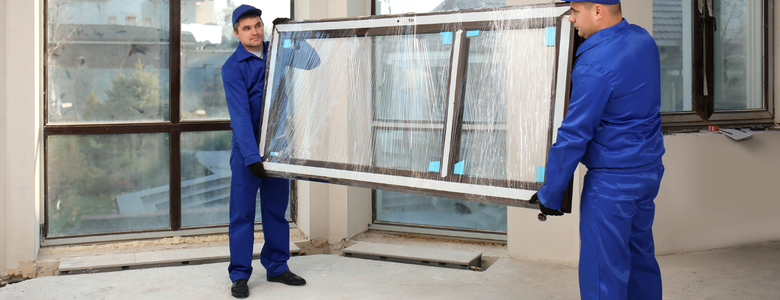
In a commercial or multifamily building, commercial window replacement entails removing the old windows and replacing them with new ones. This is typically done because the old windows are leaking air, have failing seals, let in noise, or are just past their useful life, which is usually 20 to 30 years for most commercial systems.
There are several significant differences between this and residential window replacement.
Why This Matters in 2026
A few things have changed the math on commercial window replacement in New Jersey recently:
- Energy costs are up, which means the payback period on efficient glazing has gotten shorter — buildings are seeing faster returns on Low-E and Argon-filled windows than they did five years ago.
- NJ’s adaptive reuse and office-to-residential conversion trend is accelerating. As more office buildings convert to apartments, window code requirements (light, air, egress) are triggering replacement projects that wouldn’t have happened otherwise.
- HUD/HMFA-funded housing construction is rising in NJ, pushing more publicly funded multifamily window projects into the pipeline — and these come with their own bidding and compliance rules.
- Material and labor costs have stabilized somewhat after a few volatile years, but custom and historic-replication glazing remains the priciest category because of limited supplier capacity.
Benefits of Replacing Commercial Windows
Before we get into pricing, it’s worth being clear about what you’re actually buying:
- Lower energy bills. Old, drafty windows are one of the biggest sources of heating and cooling loss in older commercial buildings.
- Fewer maintenance calls. Failing seals, stuck sashes, and water infiltration all drop off once windows are replaced.
- Better tenant satisfaction. Noise reduction and comfort are two of the most common reasons residents and tenants complain — and two of the easiest things new windows fix.
- Higher property value. Updated windows are a visible capital improvement that shows up in appraisals and resale value.
- Code compliance. Especially relevant for adaptive reuse and conversion projects, where old openings may not meet current egress or energy code.
Step-by-Step: How Commercial Window Replacement Pricing Actually Gets Built
This is the procedure a contractor follows to provide you with a precise estimate, and it explains why a “per window” price you found online most likely won’t fit your building.
Step 1: Measurement and Site Survey
Every opening is measured by a contractor. Windows may be conventional or require special fabrication because openings in older structures are rarely all the same size.
Step 2: Evaluation of Building Type and Use
Is this a historic building, a mid-rise apartment complex, a shop storefront, or an office? More than practically anything else, this one element affects the price.
Step 3: System Selection and Glazing
You will select (or your contractor will suggest) a system type, such as punched aluminum, storefront, or curtain wall, and a glazing type, such as conventional insulated glass, Low-E with Argon fill, sound-reducing STC glazing, or historic-replication glass.
Step 4: Planning for Occupancy
When a building is occupied, the contractor incorporates safety/dust mitigation, daily work-window scheduling, and resident notification timelines, all of which are more expensive than when the structure is empty.
Step 5: Review of Permits and Compliance
Before work begins, authorization are required by landmark commissions, historic districts, and some NJ municipalities. Where applicable, this stage is non-negotiable and may add weeks and small expenses.
Step 6: Concluding Remark
A contractor will only provide you with an accurate, building-specific figure after completing all five of the aforementioned processes. For this reason, “price per window” suggestions, such as this one, are merely a starting point rather than a definitive solution.
2026 NJ Commercial Window Replacement Cost Ranges
Building Type
Typical Cost Per Window (Installed)
Typical Total Project Range
Small office / retail storefront
$700 – $1,800
$15,000 – $60,000
Mid-rise multifamily (20–100 units)
$900 – $2,000
$150,000 – $400,000
High-rise multifamily (100+ units)
$1,000 – $2,500
$300,000 – $1,000,000+
Historic building (replication glazing)
$1,800 – $4,000+
Varies widely by approval scope
Adaptive reuse / office-to-residential
$1,200 – $2,800
Varies by unit count and code upgrades
Best Practices for Budgeting a Commercial Window Project
- Get at least 2–3 on-site quotes. Phone or online estimates without a site visit are not reliable for commercial buildings.
- Ask what’s included. Removal and disposal of old windows, permits, and warranty terms should all be spelled out in writing.
- Plan around your reserve fund or capital plan, especially for multifamily buildings — phasing a project over 2–3 years can ease cash flow without losing pricing efficiency if locked into one contract.
- Ask about manufacturer partnerships. Contractors with direct manufacturer relationships often have steadier lead times and pricing.
- Build in a contingency (5–10%) for older buildings, where unexpected structural or code issues sometimes surface once walls are opened up.
Frequently Asked Questions
What is the average cost of replacing a business window in New Jersey?
Depending on the type of building, the glass, and whether the property is occupied, most projects cost between $700 and $2,500 per installed window.
Is it more cost-effective to phase the job or replace every window at once?
Due to contractor efficiency, replacing all of the windows at once is typically less expensive per window; nevertheless, phasing can improve cash flow for structures without a sizable capital reserve.
Does the pricing actually depend on occupancy?
Indeed. Because of resident notice, scheduling, and safety procedures, occupied buildings are usually 10–25% more expensive than vacant ones.
Does New Jersey offer subsidies for energy-efficient commercial windows?
Before creating a budget, review the current NJ Clean Energy Program options for incentives for Energy Star-rated commercial upgrades offered by certain utility and state programs.
How much time does it take to replace a commercial window?
A mid-rise multifamily project typically takes several weeks to several months; high-rises can take longer when planned around occupancy. Timelines vary depending on the size of the building.
If you are the owner or manager of a business building in New Jersey, you have undoubtedly asked yourself the same question that every property manager eventually asks: “What will this actually cost me?”
It’s a reasonable question, and the solution is more difficult than it should be. When you search for “commercial window replacement cost,” you will typically encounter ambiguous ranges that don’t tell you much or residential pricing that has nothing to do with your Parsippany office park or 50-unit apartment building.
This book explains everything the way a contractor would explain it to you face-to-face: what influences the cost, what elements unique to NJ are important, and what you should anticipate paying depending on the type of building you really own.
We’ll use actual project types, actual numbers, and the exact inquiries that a competent estimator would make prior to providing you with a quote.
What Is Commercial Window Replacement?
In a commercial or multifamily building, commercial window replacement entails removing the old windows and replacing them with new ones. This is typically done because the old windows are leaking air, have failing seals, let in noise, or are just past their useful life, which is usually 20 to 30 years for most commercial systems.
There are several significant differences between this and residential window replacement.
Why This Matters in 2026
A few things have changed the math on commercial window replacement in New Jersey recently:
- Energy costs are up, which means the payback period on efficient glazing has gotten shorter — buildings are seeing faster returns on Low-E and Argon-filled windows than they did five years ago.
- NJ’s adaptive reuse and office-to-residential conversion trend is accelerating. As more office buildings convert to apartments, window code requirements (light, air, egress) are triggering replacement projects that wouldn’t have happened otherwise.
- HUD/HMFA-funded housing construction is rising in NJ, pushing more publicly funded multifamily window projects into the pipeline — and these come with their own bidding and compliance rules.
- Material and labor costs have stabilized somewhat after a few volatile years, but custom and historic-replication glazing remains the priciest category because of limited supplier capacity.
Benefits of Replacing Commercial Windows
Before we get into pricing, it’s worth being clear about what you’re actually buying:
- Lower energy bills. Old, drafty windows are one of the biggest sources of heating and cooling loss in older commercial buildings.
- Fewer maintenance calls. Failing seals, stuck sashes, and water infiltration all drop off once windows are replaced.
- Better tenant satisfaction. Noise reduction and comfort are two of the most common reasons residents and tenants complain — and two of the easiest things new windows fix.
- Higher property value. Updated windows are a visible capital improvement that shows up in appraisals and resale value.
- Code compliance. Especially relevant for adaptive reuse and conversion projects, where old openings may not meet current egress or energy code.
Step-by-Step: How Commercial Window Replacement Pricing Actually Gets Built
This is the procedure a contractor follows to provide you with a precise estimate, and it explains why a “per window” price you found online most likely won’t fit your building.
Step 1: Measurement and Site Survey
Every opening is measured by a contractor. Windows may be conventional or require special fabrication because openings in older structures are rarely all the same size.
Step 2: Evaluation of Building Type and Use
Is this a historic building, a mid-rise apartment complex, a shop storefront, or an office? More than practically anything else, this one element affects the price.
Step 3: System Selection and Glazing
You will select (or your contractor will suggest) a system type, such as punched aluminum, storefront, or curtain wall, and a glazing type, such as conventional insulated glass, Low-E with Argon fill, sound-reducing STC glazing, or historic-replication glass.
Step 4: Planning for Occupancy
When a building is occupied, the contractor incorporates safety/dust mitigation, daily work-window scheduling, and resident notification timelines, all of which are more expensive than when the structure is empty.
Step 5: Review of Permits and Compliance
Before work begins, authorization are required by landmark commissions, historic districts, and some NJ municipalities. Where applicable, this stage is non-negotiable and may add weeks and small expenses.
Step 6: Concluding Remark
A contractor will only provide you with an accurate, building-specific figure after completing all five of the aforementioned processes. For this reason, “price per window” suggestions, such as this one, are merely a starting point rather than a definitive solution.
2026 NJ Commercial Window Replacement Cost Ranges
| Building Type | Typical Cost Per Window (Installed) | Typical Total Project Range |
|---|---|---|
| Small office / retail storefront | $700 – $1,800 | $15,000 – $60,000 |
| Mid-rise multifamily (20–100 units) | $900 – $2,000 | $150,000 – $400,000 |
| High-rise multifamily (100+ units) | $1,000 – $2,500 | $300,000 – $1,000,000+ |
| Historic building (replication glazing) | $1,800 – $4,000+ | Varies widely by approval scope |
| Adaptive reuse / office-to-residential | $1,200 – $2,800 | Varies by unit count and code upgrades |
Best Practices for Budgeting a Commercial Window Project
- Get at least 2–3 on-site quotes. Phone or online estimates without a site visit are not reliable for commercial buildings.
- Ask what’s included. Removal and disposal of old windows, permits, and warranty terms should all be spelled out in writing.
- Plan around your reserve fund or capital plan, especially for multifamily buildings — phasing a project over 2–3 years can ease cash flow without losing pricing efficiency if locked into one contract.
- Ask about manufacturer partnerships. Contractors with direct manufacturer relationships often have steadier lead times and pricing.
- Build in a contingency (5–10%) for older buildings, where unexpected structural or code issues sometimes surface once walls are opened up.
Frequently Asked Questions
What is the average cost of replacing a business window in New Jersey?
Depending on the type of building, the glass, and whether the property is occupied, most projects cost between $700 and $2,500 per installed window.
Is it more cost-effective to phase the job or replace every window at once?
Due to contractor efficiency, replacing all of the windows at once is typically less expensive per window; nevertheless, phasing can improve cash flow for structures without a sizable capital reserve.
Does the pricing actually depend on occupancy?
Indeed. Because of resident notice, scheduling, and safety procedures, occupied buildings are usually 10–25% more expensive than vacant ones.
Does New Jersey offer subsidies for energy-efficient commercial windows?
Before creating a budget, review the current NJ Clean Energy Program options for incentives for Energy Star-rated commercial upgrades offered by certain utility and state programs.
How much time does it take to replace a commercial window?
A mid-rise multifamily project typically takes several weeks to several months; high-rises can take longer when planned around occupancy. Timelines vary depending on the size of the building.