


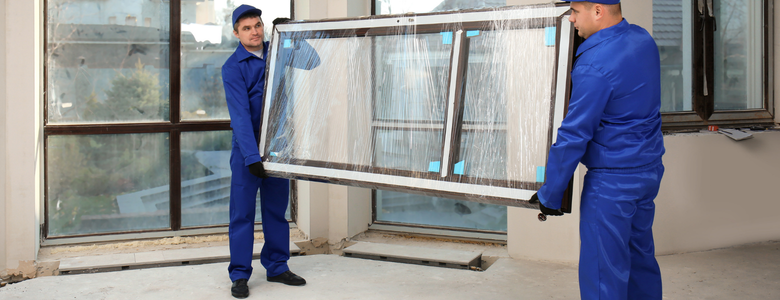

Commercial Window Leaks in NJ
Commercial Window Leaks in NJ: Common Causes and When to Replace Windows
The problem of leaking commercial windows is a real headache for the property owner, facility manager, and operator of multifamily buildings in New Jersey. While initially it could be just a small water stain near the frame, ultimately it may lead to walls and insulation degradation, mold formation, and costly building repairs.
With changing weather in New Jersey (including rain, snow, low temperatures, and storms), commercial windows may become vulnerable. With age, sealant deterioration, flashings damage, frame degradation, and improper installation of windows, the water penetration inside a building may occur.
It is crucial to learn the Causes of Commercial Window Leaks in NJ to ensure protection of your property and avoid unnecessary costs on window repairs.
Regardless whether it is an office building, apartments, condo, retail store or a high rise building – you should learn about the warning signs of leaking windows and learn what should be done about it.
This guide covers the most common reasons of commercial window leaks, detection tips, ways to fix them and even replacement of windows if necessary.
What Causes Commercial Window Leaks in NJ?
NJ Commercial Window Leaks happen when water infiltrates inside a building via the window assembly due to poor seals, damaged flashing, improper installation or deterioration of building materials.
Window assemblies are created to handle water from rain by using proper glazing seals, drainage paths, flashing and correct connections of windows to the exterior walls of buildings.
When some elements fail in performing their function water infiltration happens.
The causes are as follows:
- Deteriorated window sealants
- Damaged or absent flashing
- Wrong installation of windows
- Damaged window frames
- Clogged drainage paths
- Damaged window sills
- Poorly sealed glazing seals
- Cracks in the surrounding masonry
- Old curtain wall systems
Often water does not appear at the exact spot of its penetration but moves to interior finishes through hidden wall spaces.
Therefore, it is important to perform diagnosis prior to the window repair and/or replacement process.
7 Common Causes of Commercial Window Leaks in NJ
1. Deteriorated Window Sealants
One of the most frequent reasons for water leakage around commercial windows is the deterioration of window sealants.
Exterior window sealants provide protection of the joints between window frames, glazing, and other building material.
With age, sun exposure, temperature change, moisture, and building settlement, sealants become cracked, dried out, or detached from other materials.
As a result, rainwater is able to seep through the joints.
Signs of sealant deterioration include visible cracks, peeling, or persistent moisture buildup around the window frames.
If the window system itself is still in good condition, repairing the faulty sealants can solve the problem.
Otherwise, it will be necessary to inspect for other issues, like improper flashing.
2. Damaged or Faulty Window Flashing
Window flashing is an essential part of a commercial window system.
It should divert water from vulnerable locations around window openings.
The lack of flashing, improper flashing installation, or deterioration of flashing materials causes moisture to enter the wall structure.
Issues with flashing can be associated with:
- Sill pan flashing absence
- Wrongly overlapped flashing materials
- Deteriorated waterproofing membrane
- Bad flashing transitions
- Lack of appropriate drainage ways
In the case of multifamily or commercial buildings, flashing issues can affect several windows if they were installed using the same installation detail.
A professional assessment will determine the need for flashing repairs or window replacements.
3. Damaged Window Sills
Window sills are supposed to divert rainwater from the window opening and surrounding wall.
If there is a crack, deterioration, or wrong sloping of a sill, water will stay on the window frame instead of draining outside.
The problems with window sills include cracked stone sills, corroded metal sill caps, decayed wood, deteriorated sealants, etc.
Sometimes, water leakage persists due to the failure of flashing under the sill.
Owners of properties with persistent water leaks should investigate sill and drainage problems.
More information on window sill replacement for commercial and multifamily buildings in NJ and other building-envelope services is available here.
4. Poor Commercial Window Installation
Poor installation can lead to the development of water infiltration problems even with a relatively new window system.
Improper measurements, incompatible sealants, inadequate flashing, improper preparation of openings, etc., all affect the performance of the window system.
For instance, installing a window without proper drainage in the sill can make moisture accumulate behind the window frame.
Installation errors can contribute to air infiltration and condensation.
Proper installation should take into account:
- Right dimensions of the window
- Compatible flashing
- Drainage
- Suitable sealants for the perimeter
- Proper structural support
- Movement allowances
- Integration with the adjacent wall elements
5. Aging or Deteriorating Window Frames
Commercial window frames are constantly exposed to the elements.
Aluminum, steel, wood, vinyl, or composite window frames have their own characteristics.
Older window frames can develop corrosion, joint separation, deformation, or other defects which can make window frames vulnerable to water leaks.
In the case of widespread frame deterioration, it might be less cost-effective to fix them than replace with new window systems.
Building-wide condition assessment allows property managers to understand whether the problem is local or widespread.
6. Obstructed Window Drainage System
Many commercial window systems have drainage outlets or weep holes which are supposed to drain the incidental moisture to the exterior.
If the drainage way is blocked by dirt, debris, or inappropriate sealant application, moisture accumulates in the window system.
Eventually, moisture will enter the building.
Routine inspections and appropriate maintenance will help to ensure that the drainage channels are functional.
However, drainage system modifications are allowed only following the manufacturer’s recommendation.
7. Cracks in Surrounding Masonry and Exterior Walls
Not every water leakage issue is associated with the window system itself.
Water can enter through the deteriorated masonry joints, damaged exterior cladding, cracks above windows, defective wall flashing, etc.
Then, moisture can penetrate the building envelope and emerge around the window opening.
This fact is especially relevant for older commercial buildings and multifamily structures with complicated exterior walls.
When investigating a window leakage, the whole window assembly and the surrounding building envelope should be taken into account.
Warning Signs of Commercial Window Leaks in NJ Buildings
Early detection can be used to ensure that minor water entry does not lead to extensive damage.
Warning signs inside the property include:
- Water stains at the point of the window frame
- Peeling and flaking paint
- Drywall or plaster that is damp
- Dampness near the window frame
- A musty odor near the window
- Moisture near the window sills
- Deteriorating flooring near the area
- Repeated complaints by tenants after rain
External warning signs may include:
- Cracked sealant around the edges of the house
- Rust and corrosion on window frames
- Faulty flashing
- Poorly sealed masonry joints
- Cracks in the window sill
- Gaps between window frame and external wall of the building
- Water stains beneath windows
Not all of these conditions prove the source of the problem since it is difficult to differentiate between water infiltration and condensation.
How Commercial Window Leaks Are Diagnosed
Identifying the precise cause of commercial window leaks before attempting any repair work is critical.
Applying an extra layer of sealant will just mask the issue but won’t solve the root problem.
Window Visual Inspection
This initial step involves visually inspecting window frames, glazing, sealants, flashings, sills, and related building facade materials.
Interiors Moisture Testing
Stains, moisture content, and moist materials can all be used to locate damaged areas.
Controlled Water Testing
Professionals with appropriate qualifications can carry out controlled water testing in order to simulate leaking in certain conditions.
Building Envelope Inspection
Where the issue has not been identified, small exploratory openings may be required to examine hidden flashings, framing, and wall sections.
Such diagnostic methods allow one to establish the exact nature of the leak and what sort of repair is needed.
Commercial Window Leak Repair vs. Replacement in NJ
One of the most important decisions for property owners is whether to repair existing windows or invest in replacement.
The best solution depends on the condition of the window system, severity of deterioration, and expected long-term performance.
Window Condition
Potential Solution
Minor sealant deterioration
Professional resealing
Blocked drainage openings
Appropriate cleaning and maintenance
Localized flashing damage
Flashing repair
Damaged window sill
Sill repair or replacement
Isolated glazing damage
Glass or glazing unit replacement
Severe frame deterioration
Window replacement
Repeated leaks across multiple units
Building-wide assessment and possible replacement
Widespread installation defects
Corrective reconstruction or replacement
When Repair of Commercial Windows Is Appropriate
In situations where the window frame is intact and the moisture problem is confined to one part, then repair might be the best option.
For instance, damaged sealant can at times be replaced without having to replace the whole window.
A drainage problem can also be fixed using proper maintenance techniques.
When Replacement of Commercial Windows Is a Good Choice
If windows undergo general wear and tear and start leaking, then replacement becomes a viable choice.
Commercial window replacement offers a chance for improving drainage design and building envelope performance.
When Should You Replace Leaking Commercial Windows?
Window Leak Issues in Commercial Buildings NJ could be a sign that it is time to think about replacing your current window system.
Frequent Leaks After Repairs Made
If your leaks keep coming back despite multiple repair attempts, the issue could be with flashing, frame, or installation of the window.
Signs of Severe Frame Damage
Frames could be highly damaged, rusted, or warped, causing issues with proper support and protection from moisture.
Multiple Windows Suffering From the Same Problem
The presence of leak issues on more than one window could mean a certain flaw in the design or installation of windows.
Inefficient Energy Performance
Old windows might also suffer from poor air and heat efficiency.
This is why replacing outdated window assemblies could benefit the comfort of the building’s occupants.
Renovation of the Facade
If you have a facade improvement plan, coordinating it with window replacement can minimize repeat construction disruptions.
For additional information, explore AAWD Inc.’s commercial window replacement services.
Commercial Window Leaks in NJ Multifamily Buildings
Multifamily structures have even more concerns in that window leakage might involve many tenants at once.
Leakage in one particular unit might be the result of a flaw found somewhere above or next to the leaking window.
Water might travel through hidden channels in the structure of a building before showing up in a living space.
- Typical Concerns Faced by Property Managers
- Multiple maintenance calls
- Interior finishes damage
- Necessity of tenant access
- Planning repairs in several units
- Arranging facade inspection
- Construction management
- Installation defect patterns recognition
In larger apartment buildings, tracking moisture complaints might point to the weak spots.
Planning Repairs in Occupied Buildings
Window repair and replacement works in commercial properties need careful planning in relation to the tenants.
It is useful to provide prior notice, cover interior objects, create consistent schedules and perform cleanup.
Such an approach will ensure minimum disturbance while dealing with building-envelope issues.
Why New Jersey Weather Makes Window Leaks Worse
NJ is subject to varying weather conditions which may cause problems for commercial window structures.
Heavy Rain
The wind-blown rain may penetrate through the worn-out joints and unprotected windows.
Freezing and Thawing Processes
Water, trapped in cracks and pores of materials, may freeze in the cold season.
This process may result in the increase of defects due to repeated freezing and thawing.
Temperature Variation
The building materials have different coefficients of thermal expansion.
This process causes pressure on aging sealant and connections.
Snow and Ice
Melted snow and ice may become an additional source of moisture accumulation.
The inspection of the building envelope is especially important for buildings which experience water penetration.
How Much Does Commercial Window Leak Repair Cost in NJ?
Commercial window leak repair costs depend on the source of the problem, severity of damage, accessibility, and required corrective work.
A localized sealant repair is generally less involved than replacing damaged flashing or removing an entire window assembly.
Important cost factors include:
- Number of affected windows
- Type and size of window system
- Building height
- Exterior access requirements
- Condition of surrounding masonry
- Extent of concealed moisture damage
- Materials and replacement components
- Occupied building coordination
- Testing and inspection requirements
High-rise buildings may require scaffolding, aerial lifts, or suspended access equipment.
For extensive commercial window replacement projects, costs can also be affected by glazing specifications, engineering requirements, and installation complexity.
Property owners should request a detailed inspection and written proposal before committing to major repairs.
How to Prevent Commercial Window Leaks in NJ
Preventive maintenance can help identify deteriorating components before they result in significant water intrusion.
Schedule Regular Window Inspections
Inspect commercial window systems periodically, particularly after severe weather or when recurring moisture problems have been reported.
Maintain Exterior Sealants
Check perimeter sealants for cracking, separation, and deterioration.
Replace defective materials using compatible products and proper joint preparation.
Inspect Window Sills and Flashing
Evaluate visible sills for cracks, drainage problems, and deterioration.
Flashing defects may require further investigation.
Keep Drainage Paths Clear
Ensure drainage openings remain unobstructed and function according to the window system’s design.
Investigate Water Stains Promptly
Water stains should not be ignored, even when they appear minor.
Early investigation can help prevent damage from spreading into surrounding wall materials.
Choosing a Commercial Window Contractor in New Jersey
Commercial window leaks often involve more than simple glass or sealant repairs.
Property owners should look for contractors experienced in commercial glazing, building-envelope systems, and multifamily renovations.
Important considerations include:
- Experience with commercial window systems
- Knowledge of flashing and water management
- Experience with occupied buildings
- Appropriate insurance and project qualifications
- Ability to coordinate large replacement projects
- Familiarity with exterior facade restoration
- Clear project scheduling and documentation
Commercial Window Solutions from AAWD Inc.
AAWD Inc. (American Architectural Window & Door) has experience in commercial and multifamily window replacement projects throughout New Jersey, New York, and Connecticut.
The company works with building owners, property managers, and contractors on architectural window and door projects, including replacement work in occupied properties.
For buildings experiencing recurring leaks, professional evaluation can help determine whether existing windows should be repaired, partially replaced, or included in a broader building improvement project.
Frequently Asked Questions About Commercial Window Leaks in NJ
What causes commercial window leaks NJ the most?
Causes can include worn-out seals, damage to flashing, broken sills, blocked drainage, old frames, improper installation, as well as problems with the neighboring masonry or exterior wall.
Are leaking commercial windows able to be fixed without window replacement?
Sometimes it is possible. There are cases that can be solved by replacing a sealant, maintaining the draining, as well as repairing flashing. However, a significant frame damage or repeated water penetration can be a reason to replace the window.
How do I understand that there is a serious commercial window leak?
There can be multiple signs such as water stains, damp drywall, mold growing, extensive frame damage, as well as a lot of affected units.
Does window condensation mean that it leaks?
No. Condensation can appear in case of contact between warm and humid air and a cold surface. Moisture between glass panes in insulating glass indicates a faulty insulating glass seal rather than the presence of rainwater inside.
Is it necessary to replace all leaking windows in multifamily buildings?
Not necessarily. The right solution will depend on whether there is an isolated leakage or it appears due to a repeated defect. A building condition evaluation can help to decide whether individual repairs or replacement are needed.
How can commercial property managers avoid recurrent window leaks?
Periodic inspections, correct sealant maintenance, draining evaluation, and timely investigation of any complaints about moisture presence can help to minimize recurrent problems.
How much does commercial window replacement cost in New Jersey?
Replacement price will depend on the size of the window, glazing requirements, the number of openings, as well as other installation details. Owners should obtain a detailed estimate for their project.
Can commercial window replacement be done in an occupied building?
Yes. Qualified contractors are able to perform this kind of work in cooperation with a building manager according to certain procedures.
Conclusion: Address Commercial Window Leaks in NJ Before Damage Spreads
Commercial window leaks can create serious long-term maintenance problems when left unresolved.
Deteriorated sealants, damaged flashing, faulty installation, aging frames, and exterior wall defects may allow moisture to penetrate the building envelope.
Identifying the actual source of water intrusion is essential for selecting an effective repair strategy.
For New Jersey property owners and multifamily building managers, addressing Commercial Window Leaks in NJ early can help protect building materials, improve occupant comfort, and reduce the risk of extensive repairs.
While localized damage may be repairable, recurring leaks and widespread deterioration can indicate that commercial window replacement is the more practical long-term investment.
Need Help with Commercial Window Leaks in NJ? Contact AAWD Inc.
Are you facing the problem of leaks from windows, damage to window frames, deterioration of flashing, or leaking water?
AAWD Inc. provides services related to window replacements and installations to commercial property owners and other relevant parties in New Jersey and neighboring locations.
Whether your project requires the replacement of a single window or a large-scale building renovation, it might be helpful to assess the current state of things first.
Call AAWD Inc. at 800-495-8175 or visit aawdinc.com to discuss your commercial window project in New Jersey.
Commercial Window Leaks in NJ: Common Causes and When to Replace Windows
The problem of leaking commercial windows is a real headache for the property owner, facility manager, and operator of multifamily buildings in New Jersey. While initially it could be just a small water stain near the frame, ultimately it may lead to walls and insulation degradation, mold formation, and costly building repairs.
With changing weather in New Jersey (including rain, snow, low temperatures, and storms), commercial windows may become vulnerable. With age, sealant deterioration, flashings damage, frame degradation, and improper installation of windows, the water penetration inside a building may occur.
It is crucial to learn the Causes of Commercial Window Leaks in NJ to ensure protection of your property and avoid unnecessary costs on window repairs.
Regardless whether it is an office building, apartments, condo, retail store or a high rise building – you should learn about the warning signs of leaking windows and learn what should be done about it.
This guide covers the most common reasons of commercial window leaks, detection tips, ways to fix them and even replacement of windows if necessary.
What Causes Commercial Window Leaks in NJ?
NJ Commercial Window Leaks happen when water infiltrates inside a building via the window assembly due to poor seals, damaged flashing, improper installation or deterioration of building materials.
Window assemblies are created to handle water from rain by using proper glazing seals, drainage paths, flashing and correct connections of windows to the exterior walls of buildings.
When some elements fail in performing their function water infiltration happens.
The causes are as follows:
- Deteriorated window sealants
- Damaged or absent flashing
- Wrong installation of windows
- Damaged window frames
- Clogged drainage paths
- Damaged window sills
- Poorly sealed glazing seals
- Cracks in the surrounding masonry
- Old curtain wall systems
Often water does not appear at the exact spot of its penetration but moves to interior finishes through hidden wall spaces.
Therefore, it is important to perform diagnosis prior to the window repair and/or replacement process.
7 Common Causes of Commercial Window Leaks in NJ
1. Deteriorated Window Sealants
One of the most frequent reasons for water leakage around commercial windows is the deterioration of window sealants.
Exterior window sealants provide protection of the joints between window frames, glazing, and other building material.
With age, sun exposure, temperature change, moisture, and building settlement, sealants become cracked, dried out, or detached from other materials.
As a result, rainwater is able to seep through the joints.
Signs of sealant deterioration include visible cracks, peeling, or persistent moisture buildup around the window frames.
If the window system itself is still in good condition, repairing the faulty sealants can solve the problem.
Otherwise, it will be necessary to inspect for other issues, like improper flashing.
2. Damaged or Faulty Window Flashing
Window flashing is an essential part of a commercial window system.
It should divert water from vulnerable locations around window openings.
The lack of flashing, improper flashing installation, or deterioration of flashing materials causes moisture to enter the wall structure.
Issues with flashing can be associated with:
- Sill pan flashing absence
- Wrongly overlapped flashing materials
- Deteriorated waterproofing membrane
- Bad flashing transitions
- Lack of appropriate drainage ways
In the case of multifamily or commercial buildings, flashing issues can affect several windows if they were installed using the same installation detail.
A professional assessment will determine the need for flashing repairs or window replacements.
3. Damaged Window Sills
Window sills are supposed to divert rainwater from the window opening and surrounding wall.
If there is a crack, deterioration, or wrong sloping of a sill, water will stay on the window frame instead of draining outside.
The problems with window sills include cracked stone sills, corroded metal sill caps, decayed wood, deteriorated sealants, etc.
Sometimes, water leakage persists due to the failure of flashing under the sill.
Owners of properties with persistent water leaks should investigate sill and drainage problems.
More information on window sill replacement for commercial and multifamily buildings in NJ and other building-envelope services is available here.
4. Poor Commercial Window Installation
Poor installation can lead to the development of water infiltration problems even with a relatively new window system.
Improper measurements, incompatible sealants, inadequate flashing, improper preparation of openings, etc., all affect the performance of the window system.
For instance, installing a window without proper drainage in the sill can make moisture accumulate behind the window frame.
Installation errors can contribute to air infiltration and condensation.
Proper installation should take into account:
- Right dimensions of the window
- Compatible flashing
- Drainage
- Suitable sealants for the perimeter
- Proper structural support
- Movement allowances
- Integration with the adjacent wall elements
5. Aging or Deteriorating Window Frames
Commercial window frames are constantly exposed to the elements.
Aluminum, steel, wood, vinyl, or composite window frames have their own characteristics.
Older window frames can develop corrosion, joint separation, deformation, or other defects which can make window frames vulnerable to water leaks.
In the case of widespread frame deterioration, it might be less cost-effective to fix them than replace with new window systems.
Building-wide condition assessment allows property managers to understand whether the problem is local or widespread.
6. Obstructed Window Drainage System
Many commercial window systems have drainage outlets or weep holes which are supposed to drain the incidental moisture to the exterior.
If the drainage way is blocked by dirt, debris, or inappropriate sealant application, moisture accumulates in the window system.
Eventually, moisture will enter the building.
Routine inspections and appropriate maintenance will help to ensure that the drainage channels are functional.
However, drainage system modifications are allowed only following the manufacturer’s recommendation.
7. Cracks in Surrounding Masonry and Exterior Walls
Not every water leakage issue is associated with the window system itself.
Water can enter through the deteriorated masonry joints, damaged exterior cladding, cracks above windows, defective wall flashing, etc.
Then, moisture can penetrate the building envelope and emerge around the window opening.
This fact is especially relevant for older commercial buildings and multifamily structures with complicated exterior walls.
When investigating a window leakage, the whole window assembly and the surrounding building envelope should be taken into account.
Warning Signs of Commercial Window Leaks in NJ Buildings
Early detection can be used to ensure that minor water entry does not lead to extensive damage.
Warning signs inside the property include:
- Water stains at the point of the window frame
- Peeling and flaking paint
- Drywall or plaster that is damp
- Dampness near the window frame
- A musty odor near the window
- Moisture near the window sills
- Deteriorating flooring near the area
- Repeated complaints by tenants after rain
External warning signs may include:
- Cracked sealant around the edges of the house
- Rust and corrosion on window frames
- Faulty flashing
- Poorly sealed masonry joints
- Cracks in the window sill
- Gaps between window frame and external wall of the building
- Water stains beneath windows
Not all of these conditions prove the source of the problem since it is difficult to differentiate between water infiltration and condensation.
How Commercial Window Leaks Are Diagnosed
Identifying the precise cause of commercial window leaks before attempting any repair work is critical.
Applying an extra layer of sealant will just mask the issue but won’t solve the root problem.
Window Visual Inspection
This initial step involves visually inspecting window frames, glazing, sealants, flashings, sills, and related building facade materials.
Interiors Moisture Testing
Stains, moisture content, and moist materials can all be used to locate damaged areas.
Controlled Water Testing
Professionals with appropriate qualifications can carry out controlled water testing in order to simulate leaking in certain conditions.
Building Envelope Inspection
Where the issue has not been identified, small exploratory openings may be required to examine hidden flashings, framing, and wall sections.
Such diagnostic methods allow one to establish the exact nature of the leak and what sort of repair is needed.
Commercial Window Leak Repair vs. Replacement in NJ
One of the most important decisions for property owners is whether to repair existing windows or invest in replacement.
The best solution depends on the condition of the window system, severity of deterioration, and expected long-term performance.
| Window Condition | Potential Solution |
| Minor sealant deterioration | Professional resealing |
| Blocked drainage openings | Appropriate cleaning and maintenance |
| Localized flashing damage | Flashing repair |
| Damaged window sill | Sill repair or replacement |
| Isolated glazing damage | Glass or glazing unit replacement |
| Severe frame deterioration | Window replacement |
| Repeated leaks across multiple units | Building-wide assessment and possible replacement |
| Widespread installation defects | Corrective reconstruction or replacement |
When Repair of Commercial Windows Is Appropriate
In situations where the window frame is intact and the moisture problem is confined to one part, then repair might be the best option.
For instance, damaged sealant can at times be replaced without having to replace the whole window.
A drainage problem can also be fixed using proper maintenance techniques.
When Replacement of Commercial Windows Is a Good Choice
If windows undergo general wear and tear and start leaking, then replacement becomes a viable choice.
Commercial window replacement offers a chance for improving drainage design and building envelope performance.
When Should You Replace Leaking Commercial Windows?
Window Leak Issues in Commercial Buildings NJ could be a sign that it is time to think about replacing your current window system.
Frequent Leaks After Repairs Made
If your leaks keep coming back despite multiple repair attempts, the issue could be with flashing, frame, or installation of the window.
Signs of Severe Frame Damage
Frames could be highly damaged, rusted, or warped, causing issues with proper support and protection from moisture.
Multiple Windows Suffering From the Same Problem
The presence of leak issues on more than one window could mean a certain flaw in the design or installation of windows.
Inefficient Energy Performance
Old windows might also suffer from poor air and heat efficiency.
This is why replacing outdated window assemblies could benefit the comfort of the building’s occupants.
Renovation of the Facade
If you have a facade improvement plan, coordinating it with window replacement can minimize repeat construction disruptions.
For additional information, explore AAWD Inc.’s commercial window replacement services.
Commercial Window Leaks in NJ Multifamily Buildings
Multifamily structures have even more concerns in that window leakage might involve many tenants at once.
Leakage in one particular unit might be the result of a flaw found somewhere above or next to the leaking window.
Water might travel through hidden channels in the structure of a building before showing up in a living space.
- Typical Concerns Faced by Property Managers
- Multiple maintenance calls
- Interior finishes damage
- Necessity of tenant access
- Planning repairs in several units
- Arranging facade inspection
- Construction management
- Installation defect patterns recognition
In larger apartment buildings, tracking moisture complaints might point to the weak spots.
Planning Repairs in Occupied Buildings
Window repair and replacement works in commercial properties need careful planning in relation to the tenants.
It is useful to provide prior notice, cover interior objects, create consistent schedules and perform cleanup.
Such an approach will ensure minimum disturbance while dealing with building-envelope issues.
Why New Jersey Weather Makes Window Leaks Worse
NJ is subject to varying weather conditions which may cause problems for commercial window structures.
Heavy Rain
The wind-blown rain may penetrate through the worn-out joints and unprotected windows.
Freezing and Thawing Processes
Water, trapped in cracks and pores of materials, may freeze in the cold season.
This process may result in the increase of defects due to repeated freezing and thawing.
Temperature Variation
The building materials have different coefficients of thermal expansion.
This process causes pressure on aging sealant and connections.
Snow and Ice
Melted snow and ice may become an additional source of moisture accumulation.
The inspection of the building envelope is especially important for buildings which experience water penetration.
How Much Does Commercial Window Leak Repair Cost in NJ?
Commercial window leak repair costs depend on the source of the problem, severity of damage, accessibility, and required corrective work.
A localized sealant repair is generally less involved than replacing damaged flashing or removing an entire window assembly.
Important cost factors include:
- Number of affected windows
- Type and size of window system
- Building height
- Exterior access requirements
- Condition of surrounding masonry
- Extent of concealed moisture damage
- Materials and replacement components
- Occupied building coordination
- Testing and inspection requirements
High-rise buildings may require scaffolding, aerial lifts, or suspended access equipment.
For extensive commercial window replacement projects, costs can also be affected by glazing specifications, engineering requirements, and installation complexity.
Property owners should request a detailed inspection and written proposal before committing to major repairs.
How to Prevent Commercial Window Leaks in NJ
Preventive maintenance can help identify deteriorating components before they result in significant water intrusion.
Schedule Regular Window Inspections
Inspect commercial window systems periodically, particularly after severe weather or when recurring moisture problems have been reported.
Maintain Exterior Sealants
Check perimeter sealants for cracking, separation, and deterioration.
Replace defective materials using compatible products and proper joint preparation.
Inspect Window Sills and Flashing
Evaluate visible sills for cracks, drainage problems, and deterioration.
Flashing defects may require further investigation.
Keep Drainage Paths Clear
Ensure drainage openings remain unobstructed and function according to the window system’s design.
Investigate Water Stains Promptly
Water stains should not be ignored, even when they appear minor.
Early investigation can help prevent damage from spreading into surrounding wall materials.
Choosing a Commercial Window Contractor in New Jersey
Commercial window leaks often involve more than simple glass or sealant repairs.
Property owners should look for contractors experienced in commercial glazing, building-envelope systems, and multifamily renovations.
Important considerations include:
- Experience with commercial window systems
- Knowledge of flashing and water management
- Experience with occupied buildings
- Appropriate insurance and project qualifications
- Ability to coordinate large replacement projects
- Familiarity with exterior facade restoration
- Clear project scheduling and documentation
Commercial Window Solutions from AAWD Inc.
AAWD Inc. (American Architectural Window & Door) has experience in commercial and multifamily window replacement projects throughout New Jersey, New York, and Connecticut.
The company works with building owners, property managers, and contractors on architectural window and door projects, including replacement work in occupied properties.
For buildings experiencing recurring leaks, professional evaluation can help determine whether existing windows should be repaired, partially replaced, or included in a broader building improvement project.
Frequently Asked Questions About Commercial Window Leaks in NJ
What causes commercial window leaks NJ the most?
Causes can include worn-out seals, damage to flashing, broken sills, blocked drainage, old frames, improper installation, as well as problems with the neighboring masonry or exterior wall.
Are leaking commercial windows able to be fixed without window replacement?
Sometimes it is possible. There are cases that can be solved by replacing a sealant, maintaining the draining, as well as repairing flashing. However, a significant frame damage or repeated water penetration can be a reason to replace the window.
How do I understand that there is a serious commercial window leak?
There can be multiple signs such as water stains, damp drywall, mold growing, extensive frame damage, as well as a lot of affected units.
Does window condensation mean that it leaks?
No. Condensation can appear in case of contact between warm and humid air and a cold surface. Moisture between glass panes in insulating glass indicates a faulty insulating glass seal rather than the presence of rainwater inside.
Is it necessary to replace all leaking windows in multifamily buildings?
Not necessarily. The right solution will depend on whether there is an isolated leakage or it appears due to a repeated defect. A building condition evaluation can help to decide whether individual repairs or replacement are needed.
How can commercial property managers avoid recurrent window leaks?
Periodic inspections, correct sealant maintenance, draining evaluation, and timely investigation of any complaints about moisture presence can help to minimize recurrent problems.
How much does commercial window replacement cost in New Jersey?
Replacement price will depend on the size of the window, glazing requirements, the number of openings, as well as other installation details. Owners should obtain a detailed estimate for their project.
Can commercial window replacement be done in an occupied building?
Yes. Qualified contractors are able to perform this kind of work in cooperation with a building manager according to certain procedures.
Conclusion: Address Commercial Window Leaks in NJ Before Damage Spreads
Commercial window leaks can create serious long-term maintenance problems when left unresolved.
Deteriorated sealants, damaged flashing, faulty installation, aging frames, and exterior wall defects may allow moisture to penetrate the building envelope.
Identifying the actual source of water intrusion is essential for selecting an effective repair strategy.
For New Jersey property owners and multifamily building managers, addressing Commercial Window Leaks in NJ early can help protect building materials, improve occupant comfort, and reduce the risk of extensive repairs.
While localized damage may be repairable, recurring leaks and widespread deterioration can indicate that commercial window replacement is the more practical long-term investment.
Need Help with Commercial Window Leaks in NJ? Contact AAWD Inc.
Are you facing the problem of leaks from windows, damage to window frames, deterioration of flashing, or leaking water?
AAWD Inc. provides services related to window replacements and installations to commercial property owners and other relevant parties in New Jersey and neighboring locations.
Whether your project requires the replacement of a single window or a large-scale building renovation, it might be helpful to assess the current state of things first.
Call AAWD Inc. at 800-495-8175 or visit aawdinc.com to discuss your commercial window project in New Jersey.