



Custom Window Fabrication: Tailoring Unique Window Openings of Older Structures
Custom Window Fabrication for Unique & Complex Building Openings
Entering practically any building that was erected prior to the 1960s, one will easily recognize an issue that modern window manufacturers would not like to hear about: openings are unique in size and do not fit any standard dimensions. Reasons for that are varied from building settling, old-fashioned framing, regional differences, numerous renovations done in the course of decades.
Property owners and architects, who deal with renovation of historic homes, older commercial buildings, or century-old buildings, are facing a dilemma: there are neither standard windows to fit the opening nor any option to alter the structural elements in a way that would allow them to use standard windows. That is the area where custom window fabrication becomes indispensable as it allows tailoring windows to the unique size and design of the older opening, preserving the integrity of the building’s structure and its historical significance. Below there is a detailed explanation of the reasons, why older buildings require unique size window openings, what the process of the fabrication is, and how to choose a good custom fabricator of windows.
Why Older Buildings Seldom Have Standard-Sized Window Openings
- Pre-Standardization Construction
Until the mid-20th century when building codes and standardized dimensions of windows became widely used in the construction industry, windows were hand-framed and measured according to regional or local building techniques. That resulted in various sizes of each opening.
- Settling of the Building Structure
Depending on the age of the building, it settles, shifts, or warps, and that also affects the shape of the window opening, making them different even after many decades of use.
- Multiple Renovations Done Through Many Decades
Many older buildings have gone through renovations over many decades and in the course of each of them, even slight changes in the framing or trimming of the openings have been performed.
- Regional and Architectural Diverse Designs
Older buildings feature designs that represent certain building era or style and that differs significantly from standard residential and commercial buildings, as well as their window opening size and shape.
- Masonry and Stone Windows
In older masonry or stone buildings, the window opening was often built into the structural wall, and changing the size of such an opening to fit a standard window will imply cutting into a load-bearing structure — a solution that custom fabrication avoids.
What Is Custom Window Fabrication?
Custom window fabrication is the process of manufacturing a window that fits a specific window opening by measurements and design. In contrary to the stock window production when windows of fixed sizes are manufactured in factories, custom windows are made upon the precise measurements of the openings on the site.
Custom window fabrication can address:
- Non-standard opening sizes;
- Irregular window opening shapes;
- Matching historic windows to the original profiles and trims required for the property to meet the historic preservation requirements;
- Restoration and specialty glazing for historic windows;
- Window material matching (wood, fiberglass, vinyl)
The Process of Custom Window Fabrication
1. Site Assessment and Measurement
Qualified fabricator visits the site and measures each opening for width, height, depth and squareness, as older openings are never symmetrical. It is done in order to estimate any structural issues, moisture problems, settling, etc.
2. Design and Specification
According to the measurements, the fabricator develops design and specifications, including the size of the opening, material, type of the glazing, hardware and finish. In case of historic buildings, the stage usually implies designing according to the original architectural elements (muntin bar width, sash profile, sight lines, etc.).
3. Material Selection
Common materials for custom window fabrication include:
- Wood — traditional material for the historic home windows that provides the best match to the original architectural detailing of a building;
- Aluminum-clad wood — combines wood inside the window with exterior aluminum coating;
- Fiberglass — durable material, resistant to moisture and dimensional stability, suitable for large custom windows;
- Vinyl — cost-effective material for less historic buildings.
4. Fabrication
According to the developed specifications, the window is manufactured — cut, assembled, glazed, and finished to fit the opening precisely.
5. Quality Control
Before delivery to the site, custom windows are inspected for squareness, sealing, hardware functionality to make sure that they fit not only the specification, but the physical opening as well.
6. Installation
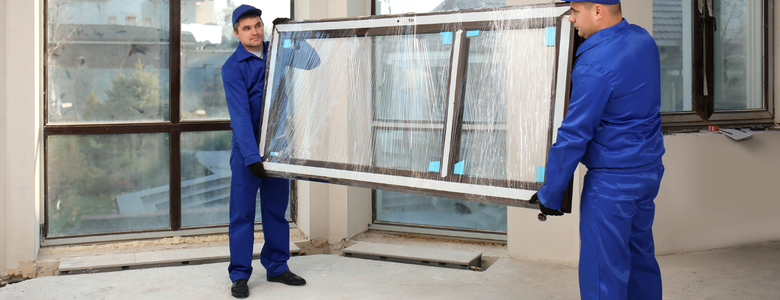
Since the custom window is fabricated to fit the opening precisely, the installation will be easy in contrast to the process of trying to fit the standard window into an irregular opening.
Differences Between Custom and Stock Windows
Factor
Stock Windows
Custom-Fabricated Windows
Sizing
Fixed, standardized dimensions
Built to exact opening measurements
Fit for older openings
Often requires reframing or masonry cutting
Fits without modifying the opening
Historic Accuracy
Limited design options
Can match original design elements
Lead Time
Usually shorter
Longer, as they are made to order
Cost
Lower per unit cost
Higher due to the custom fabrication and materials
Structural Impact
May require reframing or masonry cutting
No need to alter the structure of the building
Compliance
May not meet historic district requirements
Can be fabricated to meet preservation requirements
Cost of Custom Window Fabrication
Custom window will cost more than the standard one, but the price difference depends on the amount of the work that needs to be done. Important cost factors include:
- Size and Shape Complexity — custom fabrication of arched or large windows takes more time and effort;
- Material Choice — wood and aluminum-clad windows are usually more expensive than vinyl;
- Glazing Requirements — restoration glass, laminated glass, or energy efficient glazing;
- Historic Details — replication of the original muntins, hardware, and profiles will increase the labor time;
- Number of Units — in some cases ordering more custom windows for a whole building renovation will reduce the cost per window.
While custom fabrication implies higher upfront cost, it can prove to be more cost-effective in the long run because of the absence of the need to modify the structure, reframe, or repair the improperly fitted standard window.
Preservation of the Original Appearance and Increased Efficiency
One of the main concerns of the owners of historic buildings is whether it is possible to preserve the historic appearance and upgrade windows at the same time. Custom fabrication of the windows will help to solve the problem as it allows installing modern glazing with double or triple panes, improved weather-stripping, and low-e coatings, but in a frame, which matches the original architectural details.
Such custom windows are especially valuable for the properties located in historic districts, where the local historic preservation commission requires that the replacement windows match the original material, proportions, and details, which is impossible using the standard windows.
How to Choose a Custom Window Fabricator
The factors to consider when choosing a window fabricator include:
- Experience with Historic or Older Structures — request information about similar previous projects, especially those with irregular or historic openings;
- Measurement Process — a fabricator, who demands in-person measuring of each opening, will provide better results, in contrast to those who rely on rough estimates;
- Material and Finish Options — check that the company offers materials and finishes to match the existing wood species, hardware or profiles in the case if it is necessary;
- Knowledge about Historic District Guidelines — if your property belongs to the historic district, it is important to have a fabricator, who knows these guidelines and can work with them;
- Quality Assurance — ask about the warranty for materials, seals, and hardware;
- Portfolio and References — request the list of the customers’ references and portfolio.
Custom Window Fabrication for Unique & Complex Building Openings
Entering practically any building that was erected prior to the 1960s, one will easily recognize an issue that modern window manufacturers would not like to hear about: openings are unique in size and do not fit any standard dimensions. Reasons for that are varied from building settling, old-fashioned framing, regional differences, numerous renovations done in the course of decades.
Property owners and architects, who deal with renovation of historic homes, older commercial buildings, or century-old buildings, are facing a dilemma: there are neither standard windows to fit the opening nor any option to alter the structural elements in a way that would allow them to use standard windows. That is the area where custom window fabrication becomes indispensable as it allows tailoring windows to the unique size and design of the older opening, preserving the integrity of the building’s structure and its historical significance. Below there is a detailed explanation of the reasons, why older buildings require unique size window openings, what the process of the fabrication is, and how to choose a good custom fabricator of windows.
Why Older Buildings Seldom Have Standard-Sized Window Openings
- Pre-Standardization Construction
Until the mid-20th century when building codes and standardized dimensions of windows became widely used in the construction industry, windows were hand-framed and measured according to regional or local building techniques. That resulted in various sizes of each opening.
- Settling of the Building Structure
Depending on the age of the building, it settles, shifts, or warps, and that also affects the shape of the window opening, making them different even after many decades of use.
- Multiple Renovations Done Through Many Decades
Many older buildings have gone through renovations over many decades and in the course of each of them, even slight changes in the framing or trimming of the openings have been performed.
- Regional and Architectural Diverse Designs
Older buildings feature designs that represent certain building era or style and that differs significantly from standard residential and commercial buildings, as well as their window opening size and shape.
- Masonry and Stone Windows
In older masonry or stone buildings, the window opening was often built into the structural wall, and changing the size of such an opening to fit a standard window will imply cutting into a load-bearing structure — a solution that custom fabrication avoids.
What Is Custom Window Fabrication?
Custom window fabrication is the process of manufacturing a window that fits a specific window opening by measurements and design. In contrary to the stock window production when windows of fixed sizes are manufactured in factories, custom windows are made upon the precise measurements of the openings on the site.
Custom window fabrication can address:
- Non-standard opening sizes;
- Irregular window opening shapes;
- Matching historic windows to the original profiles and trims required for the property to meet the historic preservation requirements;
- Restoration and specialty glazing for historic windows;
- Window material matching (wood, fiberglass, vinyl)
The Process of Custom Window Fabrication
1. Site Assessment and Measurement
Qualified fabricator visits the site and measures each opening for width, height, depth and squareness, as older openings are never symmetrical. It is done in order to estimate any structural issues, moisture problems, settling, etc.
2. Design and Specification
According to the measurements, the fabricator develops design and specifications, including the size of the opening, material, type of the glazing, hardware and finish. In case of historic buildings, the stage usually implies designing according to the original architectural elements (muntin bar width, sash profile, sight lines, etc.).
3. Material Selection
Common materials for custom window fabrication include:
- Wood — traditional material for the historic home windows that provides the best match to the original architectural detailing of a building;
- Aluminum-clad wood — combines wood inside the window with exterior aluminum coating;
- Fiberglass — durable material, resistant to moisture and dimensional stability, suitable for large custom windows;
- Vinyl — cost-effective material for less historic buildings.
4. Fabrication
According to the developed specifications, the window is manufactured — cut, assembled, glazed, and finished to fit the opening precisely.
5. Quality Control
Before delivery to the site, custom windows are inspected for squareness, sealing, hardware functionality to make sure that they fit not only the specification, but the physical opening as well.
6. Installation
Since the custom window is fabricated to fit the opening precisely, the installation will be easy in contrast to the process of trying to fit the standard window into an irregular opening.
Differences Between Custom and Stock Windows
| Factor | Stock Windows | Custom-Fabricated Windows |
| Sizing | Fixed, standardized dimensions | Built to exact opening measurements |
| Fit for older openings | Often requires reframing or masonry cutting | Fits without modifying the opening |
| Historic Accuracy | Limited design options | Can match original design elements |
| Lead Time | Usually shorter | Longer, as they are made to order |
| Cost | Lower per unit cost | Higher due to the custom fabrication and materials |
| Structural Impact | May require reframing or masonry cutting | No need to alter the structure of the building |
| Compliance | May not meet historic district requirements | Can be fabricated to meet preservation requirements |
Cost of Custom Window Fabrication
Custom window will cost more than the standard one, but the price difference depends on the amount of the work that needs to be done. Important cost factors include:
- Size and Shape Complexity — custom fabrication of arched or large windows takes more time and effort;
- Material Choice — wood and aluminum-clad windows are usually more expensive than vinyl;
- Glazing Requirements — restoration glass, laminated glass, or energy efficient glazing;
- Historic Details — replication of the original muntins, hardware, and profiles will increase the labor time;
- Number of Units — in some cases ordering more custom windows for a whole building renovation will reduce the cost per window.
While custom fabrication implies higher upfront cost, it can prove to be more cost-effective in the long run because of the absence of the need to modify the structure, reframe, or repair the improperly fitted standard window.
Preservation of the Original Appearance and Increased Efficiency
One of the main concerns of the owners of historic buildings is whether it is possible to preserve the historic appearance and upgrade windows at the same time. Custom fabrication of the windows will help to solve the problem as it allows installing modern glazing with double or triple panes, improved weather-stripping, and low-e coatings, but in a frame, which matches the original architectural details.
Such custom windows are especially valuable for the properties located in historic districts, where the local historic preservation commission requires that the replacement windows match the original material, proportions, and details, which is impossible using the standard windows.
How to Choose a Custom Window Fabricator
The factors to consider when choosing a window fabricator include:
- Experience with Historic or Older Structures — request information about similar previous projects, especially those with irregular or historic openings;
- Measurement Process — a fabricator, who demands in-person measuring of each opening, will provide better results, in contrast to those who rely on rough estimates;
- Material and Finish Options — check that the company offers materials and finishes to match the existing wood species, hardware or profiles in the case if it is necessary;
- Knowledge about Historic District Guidelines — if your property belongs to the historic district, it is important to have a fabricator, who knows these guidelines and can work with them;
- Quality Assurance — ask about the warranty for materials, seals, and hardware;
- Portfolio and References — request the list of the customers’ references and portfolio.